

What UK EPR is, and why it is hitting your budget now
Extended Producer Responsibility (EPR) is the UK's implementation of the polluter-pays principle for packaging waste. Packaging Extended Producer Responsibility shifts waste management costs from local authorities to producers for household packaging waste. If you're a brand owner, importer, or packer, you're very likely a "producer" under the EPR scheme, and you're billed accordingly. The rules affect UK businesses across sectors such as FMCG and e-commerce when they place packaged goods on the UK market.
The rollout runs in phases
Each phase has increased fees by roughly 20–30%, and most procurement teams built their packaging budgets around Phase 1 or Phase 2 figures. If yours hasn't been updated, it's almost certainly under-budgeted for what's coming. Some producers may pass compliance costs into pricing, while the broader aim is more consistent recycling and labeling for consumers managing household packaging waste.
Key Insight: EPR fees aren't a flat cost per unit of packaging. They're modulated by material type, recycled content, and design, which means two businesses using the same volume of packaging can pay very different amounts depending on what that packaging is made from.
How EPR fees are calculated: the modulation model
For Packaging EPR, every fee is driven by your packaging data, each packaging component, and its recyclability, not just by how many units you place on the market:
- Base fee: typically £0.10–£0.15 per unit, though this varies significantly by material.
- Modulation discount: a reduction of 10–40% for recycled content, depending on the material and the percentage used.
- Design credit: a further 10–20% reduction if the packaging is designed to facilitate recycling.
- Problem material surcharges: black plastic carries a 50% surcharge, and single-use formats carry a 25% surcharge.
As a simple illustration of how EPR costs can differ by material, plastic packaging may reach up to about £520 per tonne, while paper packaging can be closer to £250 per tonne.
In practice, this means your fee isn't just about the weight of packaging you place on the market. It's about the combination of material, design, and recyclability, which is exactly where you have the most control, especially as businesses assess recyclability under the Recyclability Assessment Methodology when estimating likely fee outcomes.
UK EPR fee rates by material
Here's how the standard Phase 3 base rates compare across common packaging materials:
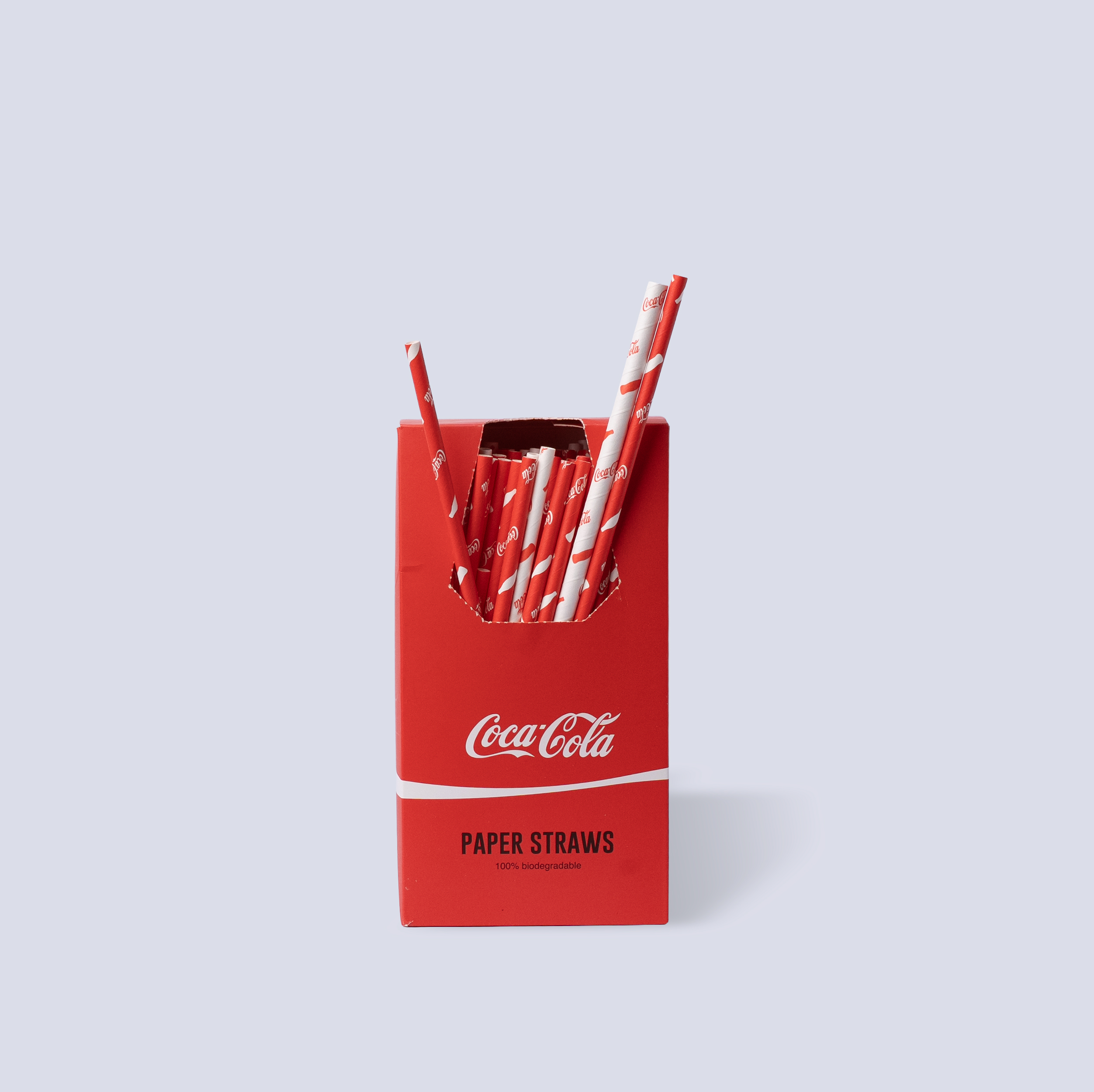
Paper-based packaging has close to half the base rate of standard rigid plastic, before any recycled-content discount is even applied. That gap is worth keeping in mind as you review your own packaging mix: see our full sustainable food packaging range for context on where paper-based formats can substitute directly, including paper pouches and eco-friendly paper straws as direct plastic replacements.
The recycled-content discount, explained
Recycled content is the fastest lever most businesses can pull without changing material entirely. The discount scales with the percentage of recycled content used:
For example, 100,000 units of plastic rigid containers at £0.15 per unit works out to £15,000 in annual EPR fees at 0% recycled content. Move that same volume to 50% recycled plastic, and the fee drops to roughly £11,250 — a 25% saving without switching material at all.
Work out your EPR liability, step by step
Step 1: Audit packaging by material type
Itemise everything you place on the market: primary packaging (tubs, bottles, boxes), secondary packaging (cartons, wrapping), and tertiary packaging (pallets, shipping boxes). Build your data collection around all the packaging you handle in the previous calendar year, and record packaging data in kilograms (kg) for each material type. Estimate annual unit volume for each material type, and confirm with suppliers the current recycled content percentage plus any relevant data on each component, especially if they supply packaging in the form of empty packaging or unfilled packaging: most businesses find they're overpaying simply because a supplier upgraded materials without telling procurement.
Step 2: Calculate your baseline fee
Whether you are one of the obligated producers depends in part on annual turnover and whether you handle more than 50 tonnes of packaging annually, which is the threshold for large producers.
Small producers still have producer responsibility for packaging and must register, but they do not pay EPR fees or recycling obligations in the same way as large producers.
Step 3: Model your switching scenarios
Using the same baseline above, here's how three common interventions play out:
- Scenario A - Switch plastic rigid to paper rigid: 200,000 units at £0.08 with a 10% design credit brings the cost to roughly £14,400, a saving of £15,600.
- Scenario B - Add 50% recycled content to existing plastic: 200,000 units at £0.15 with a 25% discount brings the cost to roughly £22,500, a saving of £7,500.
- Scenario C - Reduce overall packaging volume (lighter design): 180,000 units at £0.15 with a 25% discount brings the cost to roughly £20,250, a saving of £9,750, and improving recyclability can also reduce EPR costs alongside material or volume changes.
Key Insight: Material switching delivers the largest single saving in this model. Recycled content upgrades are the easier short-term win if a full material change isn't feasible this year.
Why paper-based packaging has a built-in cost advantage
Three factors compound in favour of paper-based packaging under the current EPR structure: the base rate is lower, the recycled-content ceiling is higher, and the regulatory direction of travel points toward further increases on plastic. Phase 4 rates, expected from 2027, are widely anticipated to raise plastic fees again rather than ease them.

Ready to Reduce Your EPR Liability?
Start by calculating your baseline fee using the breakdown in this guide. Then explore our sustainable alternatives to see where a material switch cuts your costs.
How to negotiate EPR fee reductions with suppliers
Once you know your baseline liability, use it as leverage in supplier conversations:
- Ask directly: "What's the recycled content percentage for each SKU we buy from you?"
- Negotiate volume commitments: "If we commit to a 12-month supply agreement, can you prioritise recycled material for our lines?"
- Bundle the ask: "We're switching to paper tubs across three product lines; what's the volume discount?"
- Lock the benefit in: include recycled content percentages in the supply contract itself, and use the supply chain to obtain the packaging data and sale data needed for environmental compliance, so the EPR fee benefit is guaranteed rather than assumed.
If internal resources are limited, a compliance scheme can help with data submission and ongoing environmental compliance.
Suppliers generally want long-term commitments, and EPR fee exposure gives you a concrete, quantifiable reason to ask for one.
EPR Fees vs the pPlastic Packaging Tax: Two different costs
It's worth being clear-eyed about a common point of confusion: EPR fees and the UK Plastic Packaging Tax (PPT) are separate mechanisms, and many businesses are liable for both. EPR fees fund end-of-life collection and recycling and apply across most packaging materials. PPT is a separate tax, based on whether plastic packaging contains at least 30% recycled content, and applies specifically to plastic. Confusing the two — or budgeting for only one — is one of the most common gaps we see in packaging cost planning. If you handle any plastic packaging alongside other materials, it's worth reviewing both liabilities together rather than in isolation.