
By Hello Straw Product Team
Last updated: March 2026
Hygiene has always been important in food service, but in recent years it has become an even bigger priority for businesses and customers alike. Restaurants, airlines, caterers, healthcare providers, and delivery services all need to ensure that utensils are safe, clean, and handled properly.
When choosing between reusable steel cutlery and single-use paper cutlery, hygiene is one of the key considerations. Both options can work well, but they suit different types of operations. Steel cutlery relies on cleaning systems and staff handling, while paper cutlery is designed for single use. The right choice often depends on the type of service, the scale of the operation, and how easily hygiene can be maintained.
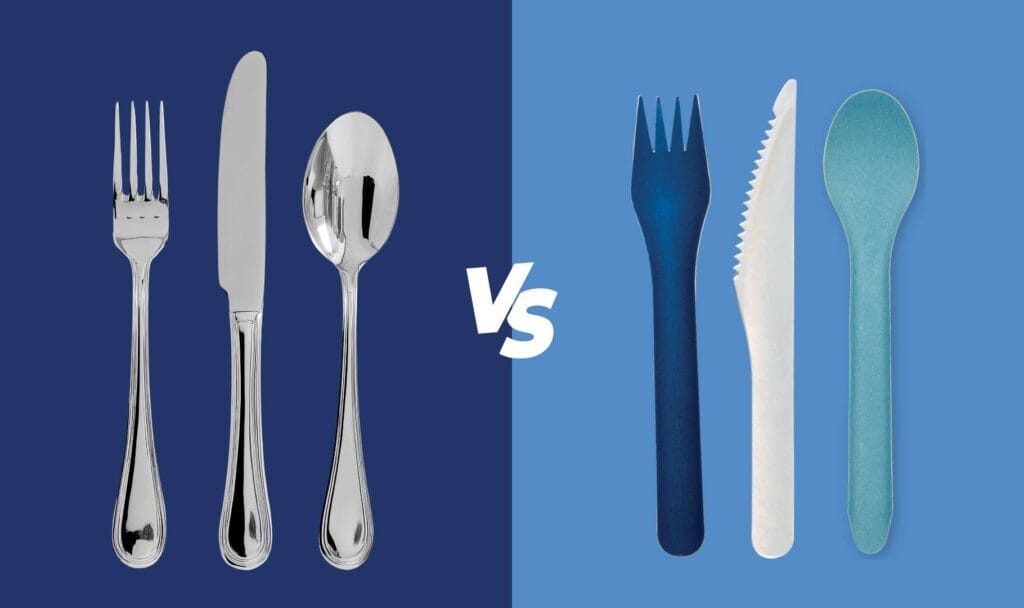
Hygiene Concerns and Cross-Contamination Risks
Cutlery comes into direct contact with food, which means it can easily become a source of cross-contamination if hygiene is not carefully managed. In busy commercial environments, utensils pass through many hands and surfaces before reaching the customer.
Reusable cutlery must be collected, washed, dried, stored, and redistributed before it can be used again. Each step must be handled correctly to ensure the utensil is safe for the next customer.

In high-volume operations, however, maintaining perfect hygiene every time can be challenging. Staff may work under time pressure, equipment may be overloaded during peak hours, and processes may vary between locations.
Single-use cutlery removes these steps entirely. Each utensil is used once and then disposed of, ensuring every customer receives a clean item.
When Steel Cutlery Makes Sense
Reusable steel cutlery remains the preferred option in many traditional sit-down restaurants. Metal utensils feel familiar and premium, and they contribute to a comfortable dining experience.
These businesses usually operate at a scale where cleaning processes can be carefully managed. With dedicated dishwashing equipment and trained staff, restaurants can maintain hygiene standards while offering guests the look and feel of metal cutlery.
For establishments where guests sit down for a full meal and service speed is less critical, reusable cutlery fits naturally into the overall dining experience.

Where Disposable Cutlery Works Better
Many food service operations, however, operate under very different conditions. Fast food restaurants, takeaway counters, delivery services, large-scale catering companies, and airlines all face operational constraints that make reusable cutlery harder to manage.
These businesses often deal with high service volumes, rapid turnaround times, and multiple service locations. Collecting, washing, and redistributing reusable cutlery can quickly become complex and resource-intensive.
For airlines, for example, space is limited and food must be served quickly in a controlled environment. Catering companies may operate across multiple venues where dishwashing facilities are not available. Fast food and delivery businesses prioritize speed and efficiency, making reusable utensils impractical.
In these situations, disposable cutlery offers a simpler and more reliable approach to maintaining hygiene.
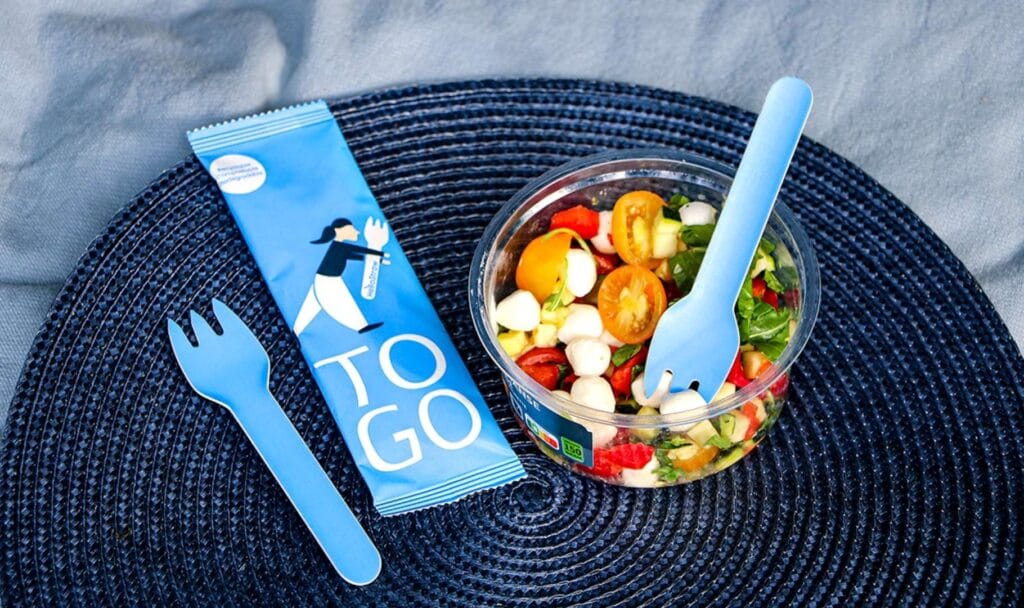
Paper cutlery from Hello Straw
Hello Straw manufactures high-quality, durable and eco-friendly paper cutlery for single-use. Our products are strong, recyclable, compostable, and sustainable, trusted by global businesses like Swiss Air, KFC, itsu and more!
Single-Use Paper Cutlery: A Hygienic Alternative
Single-use paper cutlery is designed to provide a clean utensil for every customer without relying on washing or reuse. Each item arrives ready to use, eliminating the need for dishwashing systems or complex handling procedures.
For businesses that operate at scale, this consistency can be extremely valuable. Staff do not need to monitor cleaning processes, and customers receive utensils that have not been previously used.
This is particularly important in environments such as food delivery, large events, airline and other transportation catering, and healthcare facilities where hygiene must be consistent across large numbers of meals.
Consumer Perception and Trust
Hygiene is not only about safety but also about perception. Customers often judge cleanliness based on what they can see.
After the COVID-19 pandemic, people became more aware of shared surfaces and reused items in public environments. As a result, many customers feel more comfortable when they receive clearly unused utensils.
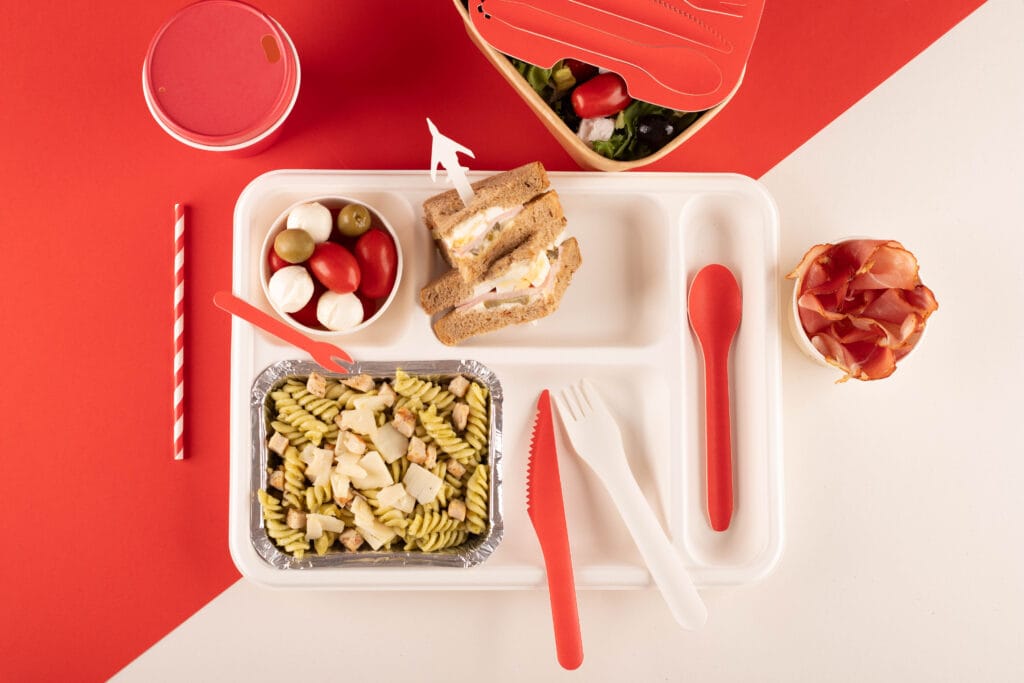
Single-use cutlery, especially when presented neatly or included in sealed meal kits, can help reinforce the impression that a business prioritizes hygiene and customer wellbeing.
Hygiene and Sustainability: Finding the Balance
Disposable products are often associated with environmental concerns, but sustainability is more complex than simply comparing reusable and single-use items.
Reusable steel cutlery reduces solid waste, but it also requires water, electricity, and cleaning chemicals every time it is washed. In large operations, these resources can add up significantly over time.
Modern paper cutlery offers a way to balance hygiene with sustainability goals. Many products are made from responsibly sourced paper materials and are fully recyclable where suitable recycling systems exist.
For businesses looking to move away from plastic while maintaining hygienic service, paper cutlery can be an effective alternative.
Why Paper Cutlery Stands Out
Unlike plastic cutlery, paper alternatives are made from renewable materials and can often be recycled after use. Compared with wooden utensils, paper cutlery typically provides a smoother texture and a more comfortable eating experience.
Advances in material design have also made paper utensils much stronger than earlier versions. Modern products are durable enough to handle a wide range of foods, including hot meals.
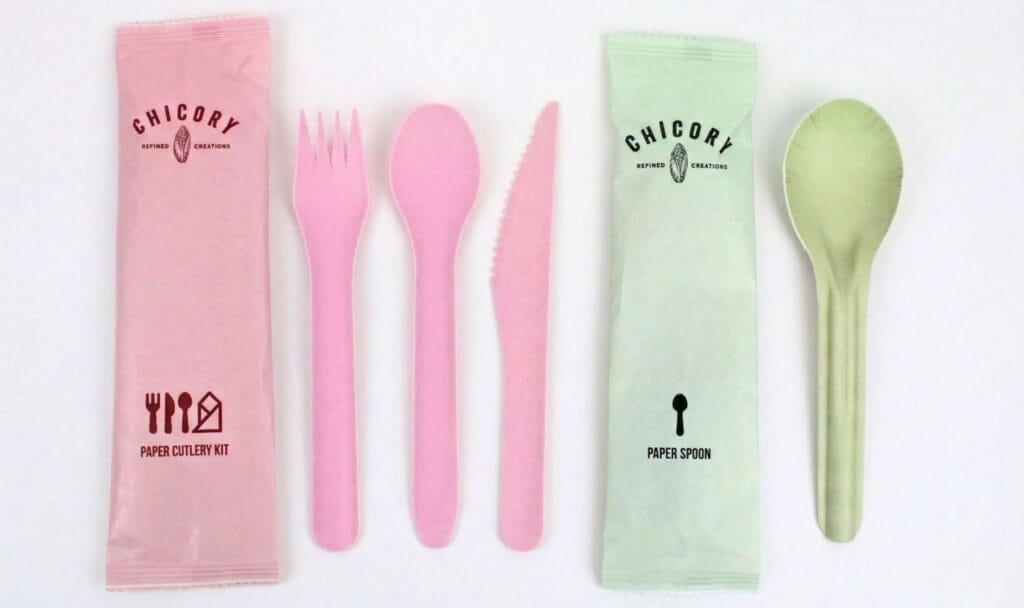
Paper cutlery also allows businesses to improve presentation. Utensils can be included in branded service pouches, takeaway kits, or custom packaging, helping reinforce a professional and hygienic image.
Industry Examples
Different industries face different hygiene and operational challenges, and this strongly influences their cutlery choices.
Fast food restaurants and delivery services benefit from disposable cutlery because of their high order volumes and fast service speeds.
Catering companies frequently serve food at multiple locations where collecting and washing reusable utensils would be difficult.
Airlines operate in tightly controlled environments where sealed meal components and minimal handling are essential.
Hospitals and healthcare facilities often rely on single-use utensils to reduce contamination risks in sensitive environments.
For these sectors, paper cutlery provides a hygienic solution that avoids plastic while maintaining convenience and reliability.
Conclusion: Choosing the Right Cutlery for the Job
Both steel cutlery and paper cutlery have a place in modern food service. Sit-down restaurants with controlled service environments can maintain hygiene effectively while offering guests the familiar experience of metal utensils.
However, many businesses operate at a scale or speed where reusable cutlery becomes difficult to manage. Fast food chains, catering companies, airlines, delivery services, and healthcare providers all need solutions that simplify operations while maintaining high hygiene standards.
In these environments, paper cutlery offers a practical alternative. It provides a clean utensil for every customer, reduces reliance on complex washing systems, avoids plastic, and offers a durable and pleasant eating experience.
As hygiene expectations continue to evolve, paper cutlery is becoming an increasingly attractive solution for businesses that need both safety and efficiency.