Single-use plastic cups are now a thing of the past. And it is not only due to their detrimental effect on the environment, with them taking 200 to 450 years to decompose, but also due to their possible effects on our health.
Research by the National Institute for Public Health finds that plastic food packaging is one of the ways microplastic can end up in your body. And with recent studies finding that microplastics have started to accumulate in human brain tissue, society is starting to take action.
This is why eco-friendly alternatives, like the paper cup, have seen major growth in market size and interest. Yet, one question that remains is on their convenience in terms of their reheatability.
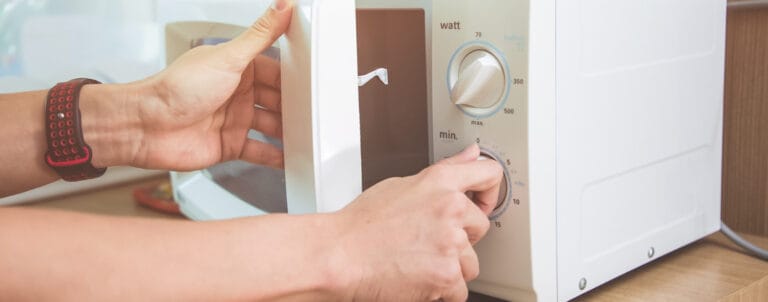
Essentially, can paper cups be microwaved?
Potential Risks of Microwaving Paper Cups
There is a variety of risks that can occur when microwaving low-quality paper cups:
Hello Straw, as a leading paper disposable manufacturer, has worked hard to design paper cups that adapt and overcome all these problems
Factors to Consider When Assessing Microwave Safety on Paper Cups
Lining type
During microwaving, the internal lining is the only thing standing between your drink and a soggy mess. Traditional PE linings provide a great moisture barrier but can release toxic chemicals if the material melts. Similarly, PLA, while plant-based, has a relatively low melting point and can deform if subjected to extreme temperatures. Water-based coatings are generally more stable, but their performance is not absolute; it depends heavily on the thickness of the lining and the specific heat conditions.
Wall thickness
The thickness of the paper cup drastically changes how it handles heat. Single-wall cups can deform more easily due to fewer insulation layers, while double-wall designs create an insulating air pocket that protects the lining from rapid temperature spikes. High-quality heavyweight boards, such as those used by Hello Straw, offer superior structural density, ensuring the cup doesn’t go soft or lose its shape in medium heat cycles.
Heating duration
With paper cups, microwaving time is the main enemy. As heating duration increases, the protective barrier undergoes prolonged thermal stress, which can lead to “wear” or microscopic cracks in the lining. It is generally considered much safer to heat liquids in short intervals of 30 seconds or less rather than one long cycle.
Liquid Quantity
If a cup has only a small amount of liquid, the heat distribution can be uneven. This means some areas of the paper cup will reach a higher temperature than others, which can cause coatings to fail or the paper to char.
Temperature Limits
Even when Hello Straw paper cups can withstand temperatures up to 80 degrees, microwaves can create localized “hot spots” where the temperature far exceeds these limits. Therefore, it is recommended to reduce the power setting to ensure a gentler, more controlled heat exposure.
How to Identify Microwave-Safe Paper Cups?
Therefore, with all the possible risks, before you hit “start,” look for these specific markers:
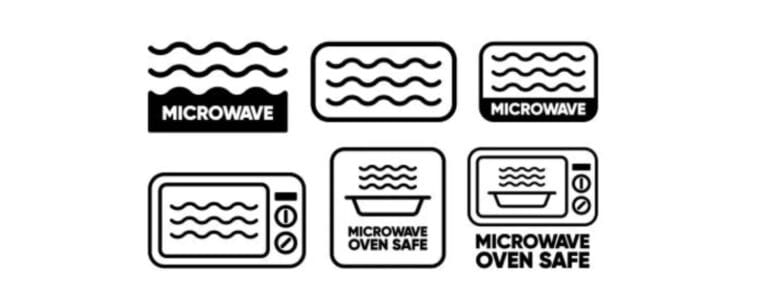
The Microwave-Safe Symbol:
- Look for the universal icon on the bottom of the cup.
Manufacturer Verification:
- Responsible suppliers, such as Hello Straw, prioritize transparency by making safety certifications easy to verify.
The "No Metal" Rule:
- Ensure there are no metallic rims or foils
Final Thoughts on Microwave-Safe Paper Cups
In conclusion, as a rule of thumb, paper cups as disposable products should not be microwaved. However, thanks to this guide, we hope you have grown more knowledgeable on what can help you distinguish a paper cup that can withstand short microwave exposure.
Overall, the best course of action when it comes to reheating paper cups is to check for microwave-safe icons, use short heating cycles, but more importantly, go with trusted suppliers that produce high-quality paper cups.
For paper cups you can trust, choose Hello Straw.