
Paper Straws vs PLA Straws: Why EU Law Matters for Your Business
Choosing between paper straws vs PLA straws has become a strategic decision for cafés, restaurants, hotels, stadiums, and event operators. As sustainability expectations rise and regulations on single-use plastics continue to tighten across Europe and the UK, businesses need to understand the differences in cost, performance, environmental impact, and legal compliance.
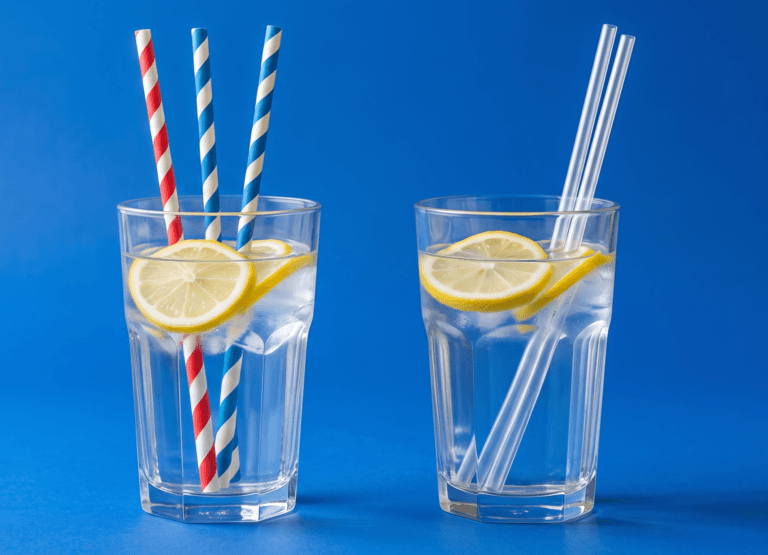
💡Key Takeaway: PLA straws are classified as plastic under EU law and banned for single-use consumer supply across all EU and UK markets. Paper straws are fully compliant, biodegradable, and customisable — the only legally safe choice for businesses operating in Europe.
Table of Contents
What Are PLA Straws and Paper Straws?
PLA straws (polylactic acid) are a bioplastic made by fermenting plant starches: typically corn, sugarcane, or cassava. Despite their plant-based origin, they look and feel like conventional plastic, and are legally classified as plastic under both EU and UK law.
Paper straws are produced from multi-layer food-safe paper, typically PEFC or FSC-certified wood pulp, bonded with water-resistant, non-toxic adhesives. They are biodegradable, recyclable, and fully compliant with current plastics legislation.
Common Misconception
“Compostable” or “plant-based” labelling does not grant legal exemption. Both EU and UK regulators confirm that bio-based and compostable polymers meet the statutory definition of plastic and are subject to the same bans.
EU Law: Are PLA Straws Banned?
Yes. The EU Single-Use Plastics Directive (SUPD), which took effect on 3 July 2021, bans single-use plastic straws across all member states. PLA is explicitly classified as plastic under the directive.
The UK mirrors this under the Environment Act 2021, effective since October 2020. Any business supplying straws in the EU or UK must use compliant alternatives.
EU Single-Use Plastics Directive - PLA Classification
The SUPD defines plastic to include bio-based, biodegradable, and compostable polymers. This means PLA straws cannot be legally supplied for single-use consumer applications anywhere in the EU, including the Netherlands, Germany, France, Spain, and all other member states.
Jurisdiction | PLA Straws | |
|---|---|---|
EU (all member states) | ✅ Legal. Fully compliant | ❌ Banned since 3 July 2021 |
UK | ✅ Legal. Fully compliant | ❌ Banned since October 2020 |
Outside EU/UK | ✅ Legal | Check local regulations |
Full Comparison: Paper vs PLA Straws
Side-by-side across the criteria that matter most for B2B procurement.
Criteria | Paper Straws | PLA Straws |
EU/UK legal status | ☑️ Fully compliant | ❌ Banned |
Cold drink performance | Good (2–4+ hrs at full temp) | Excellent |
Hot drink performance | Excellent (no deformation) | ❌ Softens above 55–60°C |
Biodegradation | Natural in soil and water | Industrial composting only |
Recyclability | Standard paper stream | ❌ Not standard recyclable |
Custom branding | Full-colour print | Limited options |
Bulk B2B unit cost | Lower at scale | Higher per unit |
PFAS risk | Low (specify PFAS-free) | Low |
Consumer perception | Widely accepted eco-friendly | Often confused as “just plastic” |
Performance in Real-World Use
When comparing paper straws vs PLA straws, real-world performance is one of the most important factors for businesses. Both materials behave differently depending on drink type, temperature, and usage time.
Cold Drinks (up to 60 minutes)
▶️ PLA straws perform especially well in cold beverages and are often preferred for fast-service environments. They are commonly used for: Iced coffees and cold brew drinks, Soft drinks and sodas and, Smoothies and milkshakes.
Key advantages of PLA in cold drinks include. They:
- remain firm during use and do not collapse quickly
- provide a smooth, plastic-like drinking experience
- maintain structure even in longer drinking sessions
▶️ Paper straws can also be used in cold drinks, particularly higher-quality versions. However, performance varies depending on material quality and liquid exposure time.
Typical characteristics of paper straws in cold drinks. They:
- start firm but may soften over time
- are suitable for short-to-medium drinking durations
- perform best in fast-consumption settings
Hot Drinks (coffee, tea, hot chocolate)
▶️ PLA straws are not suitable for hot beverages. Exposure to heat can cause deformation, making them unreliable for cafés and restaurants serving warm drinks.
PLA limitations in hot drinks. They:
- lose shape under high temperatures
- are not designed for hot beverage service
- are best restricted to cold-use applications only
▶️ Paper straws, in contrast, are better suited for hot drinks when made from food-grade materials.
Paper straw advantages in hot drinks. They:
- withstand higher temperatures more effectively
- are widely used in cafés for takeaway hot drinks
- comply with food safety standards for heated liquids

Smoothies & Thick Beverages
Smoothies, milkshakes, and other thick drinks place more demand on straw durability due to higher viscosity and longer consumption times.
▶️ PLA straws are generally preferred for these beverages because:
- maintain structure in thick liquids
- resist collapse during slow drinking
- provide a smooth and stable flow for blended drinks
- work well in high-viscosity beverages like smoothies and frappés
▶️ Paper straws are less consistent in this category.
Paper straw limitations in thick drinks. They:
- can soften faster due to liquid density
- may lose rigidity during extended use
- are less reliable for heavy or blended beverages
Events & Long Service Windows (4+ hours)
For events, festivals, stadiums, and catering services, straw performance over time becomes critical. Drinks are often consumed slowly, and straws need to remain stable for extended periods.
▶️ PLA straws are often preferred in these environments because they:
- maintain structure during long service windows
- perform reliably in batch-served drinks at events
- reduce complaints from guests over softening or collapse
- work well for pre-prepared drinks stored before serving
▶️ Paper straws are still widely used at events, particularly where plastic-free positioning is a priority. However, their performance depends heavily on timing and drink type.
Paper straw considerations for events. They:
- may soften if drinks are held for long periods before consumption
- are better suited for short turnover service (quick consumption)
- are often chosen for branding or sustainability messaging rather than durability
Hello Straw Performance Note
Hello Straw paper straws are engineered for extended durability without compromising recyclability or food-contact safety. Request a sample pack to test against your current supplier.
Sustainability & End-of-Life
Where your straws actually go after use determines their real-world environmental footprint, not the feedstock they’re made from.
The Industrial Composting Problem
PLA is marketed as compostable, but only under sustained temperatures of 55–60°C, managed moisture, and controlled aeration. Across most of Europe, including the Netherlands, Germany, and the UK, access to certified industrial composting for food-contact plastics is severely limited. Without that infrastructure, PLA enters general waste and behaves like conventional plastic.
Certifications To Require From Your Supplier
- PEFC / FSC
- EN 13432
- PFAS-free declaration
- EU food-contact compliance
- PPWR 2025/40 aligned
PFAS and Food Safety: What Procurement Teams Must Know
PFAS (per- and polyfluoroalkyl substances) have been found in some paper straw coatings used to improve water resistance. A University of Antwerp study identified low levels in certain samples; researchers noted health risks at typical usage levels appear unlikely, but regulatory direction is clear.
The EU Packaging and Packaging Waste Regulation (PPWR, Regulation 2025/40) sets mandatory PFAS limits for food-contact packaging from August 2026, including a 50 ppm total fluorine screen. For EU supply chains, PFAS-free certification is transitioning from a preference to a procurement requirement.
Hello Straw PFAS Position
Hello Straw paper straws are manufactured without harmful coatings and meet strict food-contact regulatory requirements across EU markets. Third-party testing available on request.
Discover Our Sustainable Product Range
Explore our full catalogue of eco-friendly paper straws, cutlery, food packaging, and custom solutions designed for businesses that value quality and sustainability. Find the right products to support your brand while reducing environmental impact.
Cost, Customisation, and B2B Procurement Value
Unit price: Paper straws cost more than conventional plastic but typically lower per unit than comparable PLA grades. Bulk ordering significantly reduces cost.
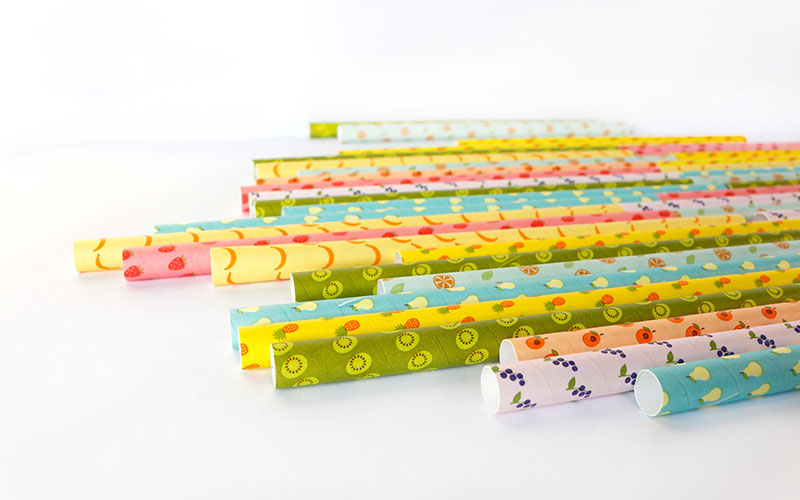
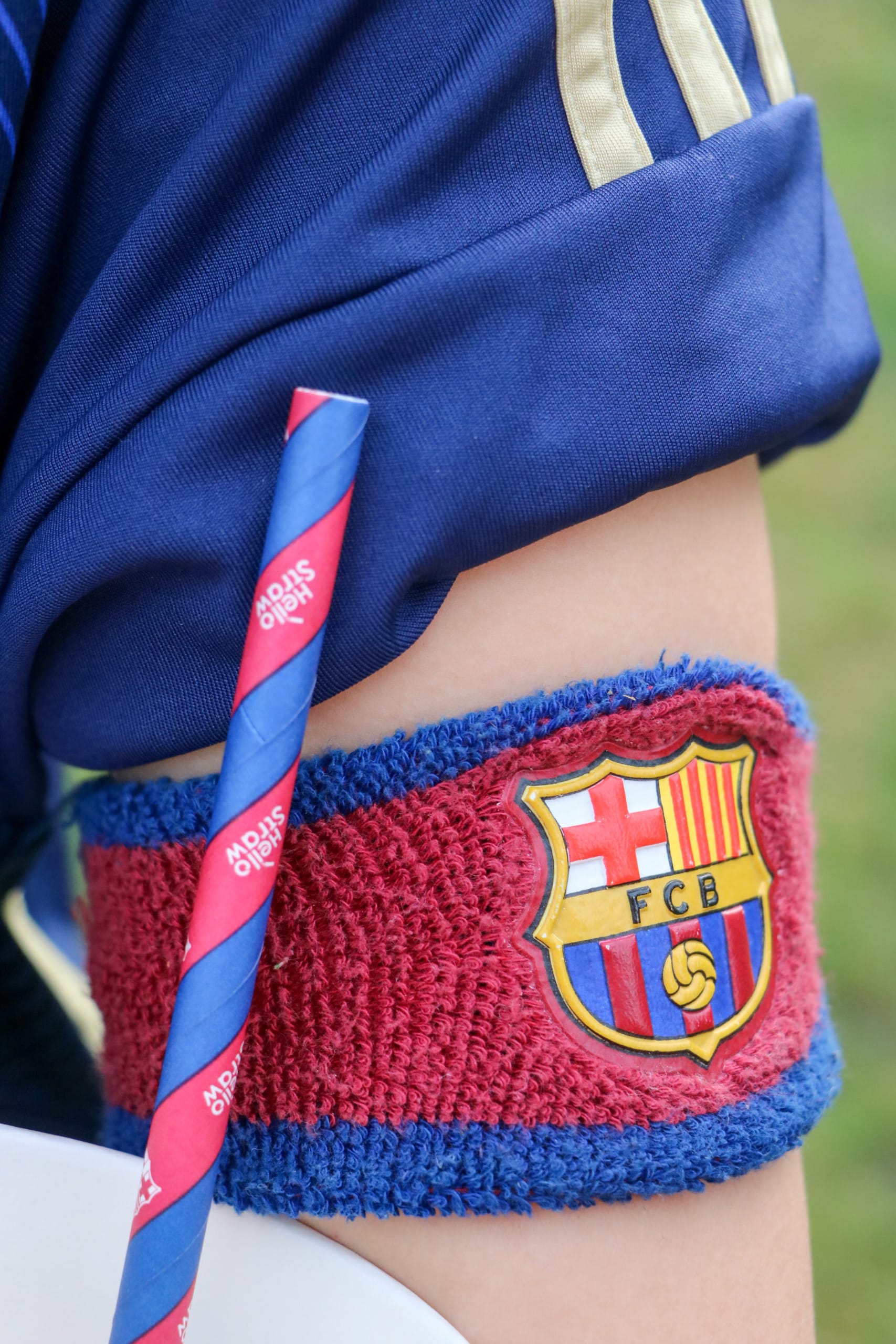
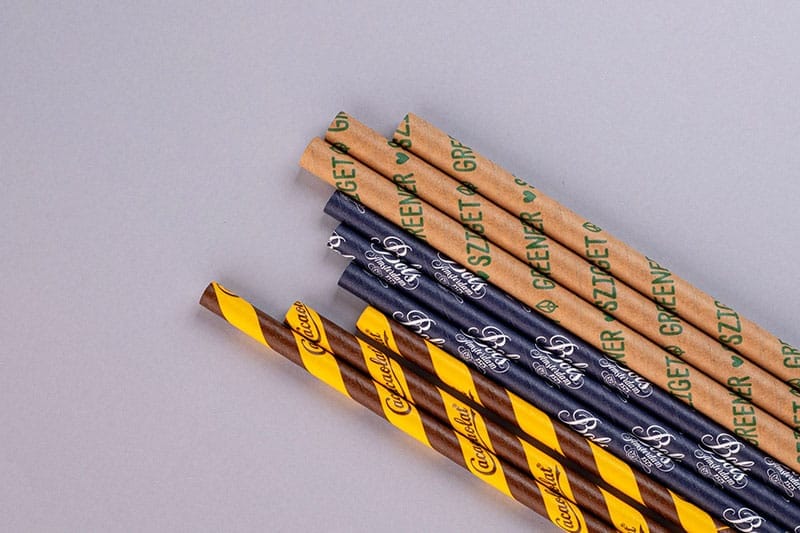
Customisation: Paper straws accept full-colour printing: logos, brand colours, seasonal patterns. A proven brand touchpoint at point of service without additional packaging spend.
Waste handling: Paper enters standard paper recycling. PLA requires industrial composting infrastructure most European venues cannot access, creating hidden disposal costs and greenwashing risk.
For large-scale operators like stadiums, hotel groups, event caterers, festival organisers, paper straws offer the strongest combination of compliance, brand flexibility, and cost efficiency.
Which Straw Is Right for Your Business?
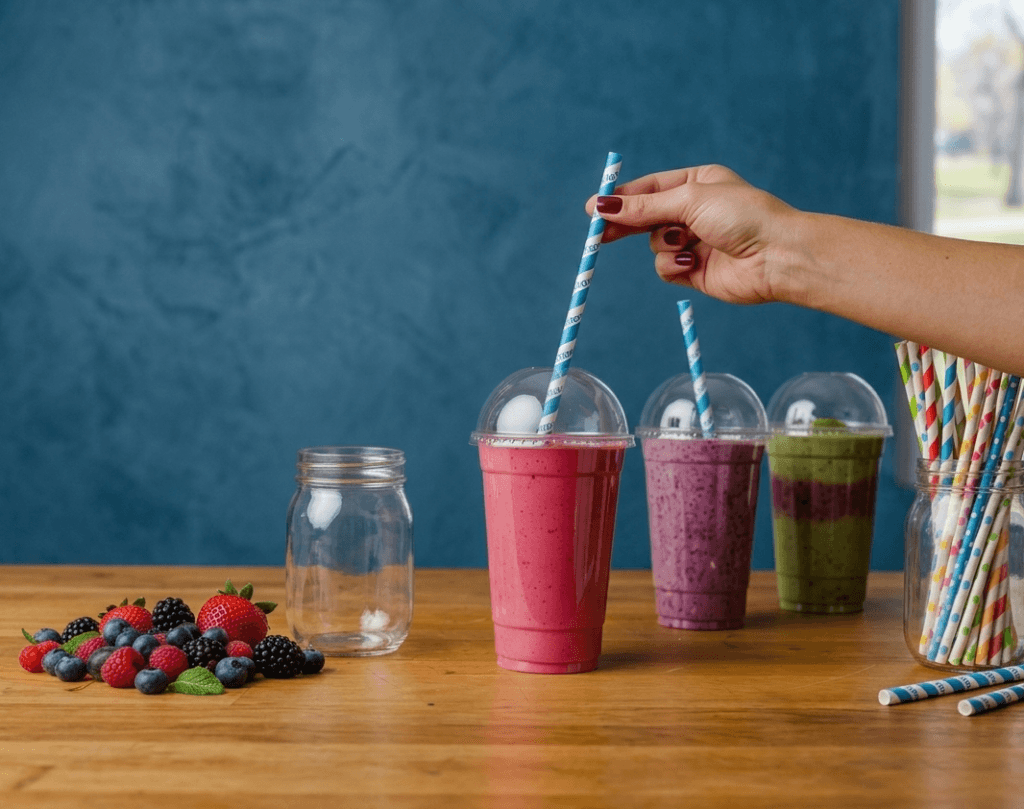
Choose paper straws if you:
- operate in the EU or UK
- serve hot drinks or mixed menus
- want full-colour custom branding
- need cost-efficient bulk supply
- want clear recycling credentials
PLA may suit if you:
- operate exclusively outside EU/UK
- serve cold drinks only
- have verified industrial composting
- A plastic-feel experience is required
Conclusion
Both PLA and paper straws solve a problem. But they solve it in very different ways. PLA offers durability and a familiar plastic feel, but it’s legally off-limits across the EU and requires infrastructure that doesn’t reliably exist.
Paper straws deliver full compliance, natural biodegradation, strong customisation options, and cost efficiency. For any business operating in the EU, paper is not just the safer choice. It’s the only compliant choice.
The decision comes down to your operating region, your drink menu, and your brand positioning. If you operate in the EU or serve hot drinks, your choice is already made for you. Paper is the way forward.
Frequently Asked Questions
Are PLA straws banned in the UK?
Yes. The UK prohibits supplying single-use plastic straws under the Environment Act 2021, which took effect in October 2020. Like the EU, the UK classifies PLA as plastic, meaning compostable bioplastics are not exempt. Both EU and UK markets require paper straws for full legal compliance.
Are compostable straws allowed under the EU plastics ban?
No. The EU Single-Use Plastics Directive covers all plastics, including bio-based, biodegradable, and compostable variants. There is no exemption for compostable materials, regardless of feedstock or end-of-life claims.
Are paper straws truly biodegradable?
Yes. Food-grade paper straws biodegrade naturally in soil and water. They are also recyclable in standard paper waste streams and require no specialised disposal infrastructure, unlike PLA, which only breaks down at 55–60°C in controlled industrial composting conditions.
Do paper straws contain PFAS?
Some paper straws use PFAS-based coatings, but PFAS-free options are widely available and should be standard for B2B procurement. From August 2026, EU Regulation 2025/40 sets mandatory PFAS thresholds for food-contact packaging. Hello Straw paper straws are manufactured without harmful coatings, with third-party testing available on request.
Can PLA straws go in household recycling?
No. PLA straws are not recyclable in standard recycling streams. They must be sent to an industrial composting facility to break down as intended. Across most of Europe, this infrastructure is limited. Most PLA straws end up in general waste where they do not degrade.
How long do paper straws last in a drink?
High-quality paper straws from certified manufacturers hold their shape for 2–4+ hours in cold drinks. Hello Straw paper straws are engineered for extended durability — request a sample pack to test against your current supplier before placing a bulk order.
What certifications should I look for when buying B2B paper straws?
Require: PEFC or FSC certification (responsible forestry), EN 13432 (compostability standard), a PFAS-free declaration backed by third-party testing, food-contact compliance documentation, and alignment with EU Regulation 2025/40 PFAS limits ahead of the August 2026 enforcement date.
Paper Straws vs PLA Straws: Ready To Switch To Sustainable Straws?
Your customers expect it, your regulations require it, and your brand benefits from it. Request your free sample pack from Hello Straw today.