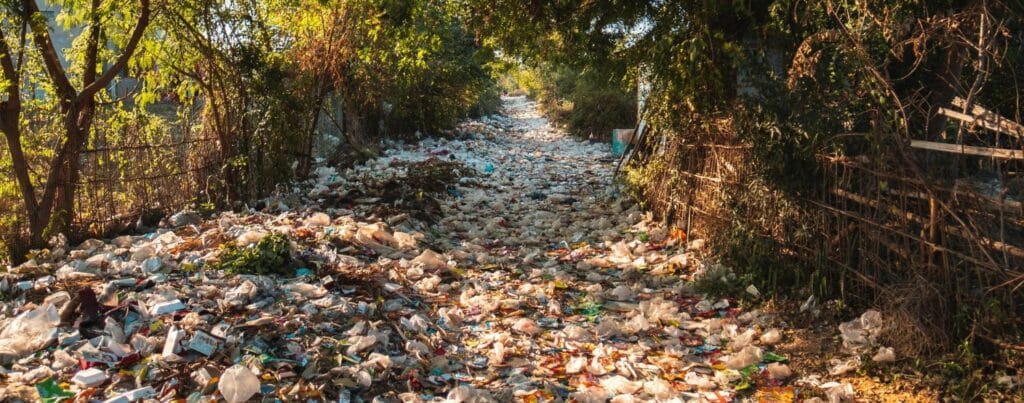
When it comes to disposable cups, most people think of the red plastic cup often seen in American movies. It symbolizes fun and excitement, but it also represents a material that takes 500 years to decompose.
Out of the millions of disposable coffee cups used every day in the UK, only 1% are recycled. So it is no surprise most of them end up in landfills or in the natural environment.
This growing concern is why sustainable alternatives like paper cups are gaining popularity. They promise the same excitement but without the environmental baggage.
But how true are the claims that paper cups are recyclable? Let’s break it down.
What makes a material recyclable?
At its core, a product is recyclable if its materials can be collected and transformed into new products. However, several factors affect whether recycling actually happens in practice:
Single-material vs. multi-material products
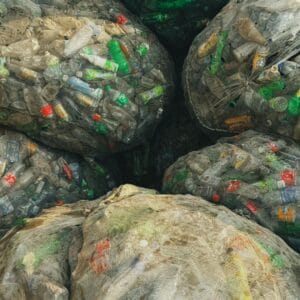
If a product is made entirely out of a single material such as glass or aluminum, the recycling process is much easier than for a product that is a fusion of plastic and metal. This is because the latter often requires separate processing methods.
Additionally, if the materials are fused, glued, or layered together, separation and thus recyclability can become technically challenging.
Availability of recycling infrastructure
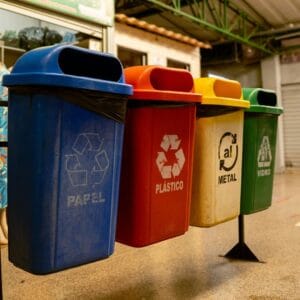
Even recyclable products may end up in landfills if they are disposed of in areas without the right collection programs, sorting facilities, or processing plants.
Contamination
Substances like oils, food residue, or liquids can reduce material quality and, in some cases, prevent entire batches from being recycled.

Types of Paper Cups
Not all paper cups are equally as recyclable.
PE-Lined Paper Cups
These cups have a thin polyethylene (plastic) lining that makes them waterproof. Technically, they can be recycled, but only at facilities equipped to separate the paper fibers from the plastic. Without specialized equipment, PE-lined cups are challenging to process.
Double-Wall Paper Cups
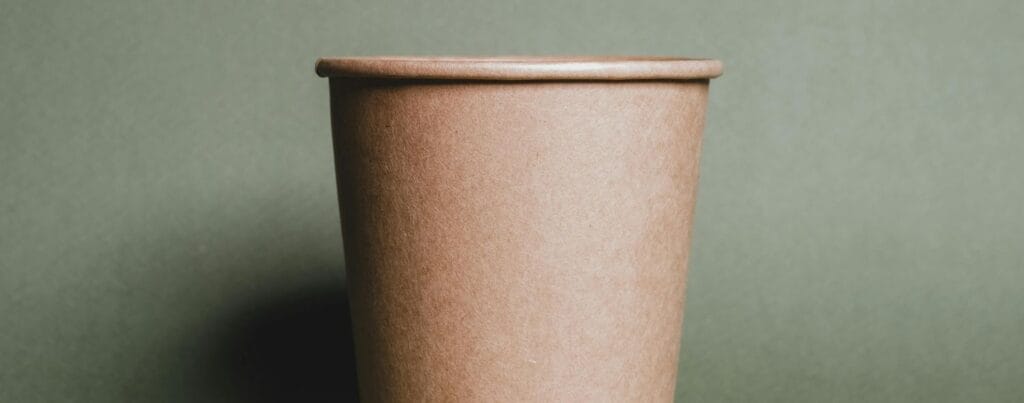
Double-wall cups are those with an additional outer paper layer. While this layer keeps drinks warmer, it increases the complexity of the recycling process.

PLA-lined paper cups
PLA-lined paper cups are paper cups that have a polylactic acid lining made out of renewable resources like sugarcane. They are popular due to them being commercially compostable and biodegradable. They can also be recycled at specialized fiber processing facilities, where they are converted into new packaging.
Innovative methods now allow used PLA-lined paper cups to be converted into avio fuel.
In this process, the cups are broken down into their basic chemical components and refined into fuel that can help power aircraft.
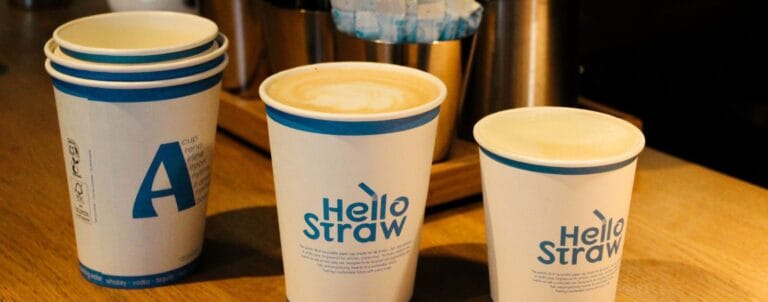
Are Paper Cups Better for the Environment than Plastic?
Overall, paper cups generally have a lower long-term environmental impact, especially when paired with specialist recycling or composting systems. Unlike plastic, which takes centuries to break down, paper cups can decompose in just 12 weeks in the right facilities.
What Should You Do With Used Paper Cups?
The key to making paper cups sustainable is proper disposal. Always use designated recycling bins where available. In the UK, you can also take used cups to major high street chains like Costa Coffee or Greggs, which participate in the National Cup Recycling Scheme. These programs ensure cups reach the correct recycling facilities.
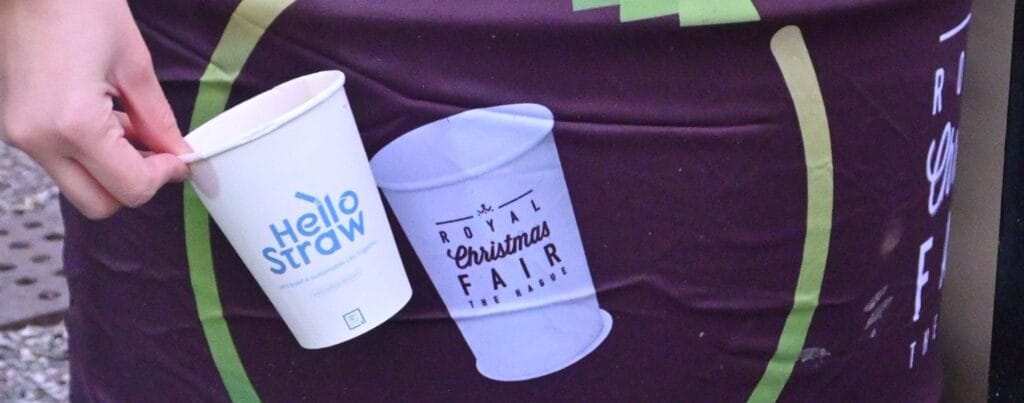
Hello Straw has produced the first-ever paper cup designed to handle it all. From hot coffee, frozen cocktails, to hard liquors, this paper cup does not loose its shape. And it’s 100% sustainable, made with eco-friendly materials.
Conclusion
Paper cups can be recyclable or compostable, but it depends on correct disposal and access to the right infrastructure. The next time you order a coffee or a frozen cocktail, consider choosing a paper cup over plastic. It is a small change with a big impact.
For paper cups that are 100% industrially compostable, innovative, and made with quality in mind, choose Hello Straw’s paper cups.