
Plastic Free July: B2B Packaging Procurement Action Plan
Every July, procurement teams get a message from marketing or comms that starts something like “we’re supporting Plastic Free July this year, what have we changed?” If you buy packaging for a living, you know that question usually lands with less notice than it should.
This guide sets out what Plastic Free July actually means for procurement, what you can realistically deliver in a single month, and how to turn a marketing moment into a permanent supplier change rather than a one-off scramble.
Table of Contents
What Is the Plastic Free July Challenge and Why It Matters to Your Supply Chain
Plastic Free July is a month-long campaign, running from 1 to 31 July, that started in 2011 in Australia and is now a global movement encouraging individuals and organisations around the world to cut single-use plastic. It has grown well beyond a consumer awareness week into a wider movement. Over 170 million people take part, and the campaign is designed to help people build habits forever that reduce plastic waste and tackle plastic pollution, much of it tied to food and beverage packaging where most B2B packaging budgets sit.
Major food and beverage brands, including Coca-Cola, Unilever and Nestlé, now run their own Plastic Free July activity as part of wider sustainability commitments. That corporate adoption is the reason the campaign reaches your desk. It is not only a marketing story anymore. Comms and brand teams are increasingly expected to show proof, and proof means supplier and packaging changes that only procurement can deliver.
Why this lands on procurement: Plastic Free July converts a public pledge into a sourcing decision. Marketing owns the message. You own whether the message is true.
What Your Marketing Team Will Ask Procurement to Do (Reality Check)
If your business is running any kind of Plastic Free July activity, expect some version of these questions in your inbox during the first week of July, since the challenge is flexible and often starts with whichever single use plastics a business can realistically avoid first:
- "Can we show our plastic reduction by 31 July?"
- "Which suppliers already offer sustainable alternatives?"
- "Can we switch packaging for our summer range in time?"
- "What is our current single-use plastic footprint?"
These are procurement questions wearing a marketing hat. Plastic Free July encourages avoiding single-use plastics, which is why teams often ask how to reduce single use plastic in measurable ways. The person asking them usually has a campaign deadline, not a sourcing lead time, in mind. Getting ahead of this conversation, ideally before July starts, gives you room to say yes to the achievable parts and set expectations on the rest.
Ready to Switch to Sustainable Packaging This July?
We work with procurement teams to deliver low-risk packaging swaps in weeks, not months. Start with paper straws, cutlery or food wraps, and lock in permanent supplier changes for the rest of 2026.
The Four Actions Procurement Can Actually Deliver in July
You do not need to redesign your packaging estate in four weeks. You need four specific, credible actions that give comms a true story to tell and give you a foundation for permanent change.
A supplier who can answer yes to all ten criteria above is a reliable partner for your compliance journey.
1. Audit Current Packaging for Unnecessary Plastics
- Map plastic usage by product line: beverages, snacks, retail, foodservice.
- Separate quick-swap opportunities, such as straws, cutlery and wrapping, from complex changes like primary containers.
- Quantify plastic tonnage by supplier and material type.
This audit is the data your comms team actually needs for a credible pledge. Without it, any public statement is guesswork.
2. Source Alternatives for Straws, Cutlery and Food Wraps
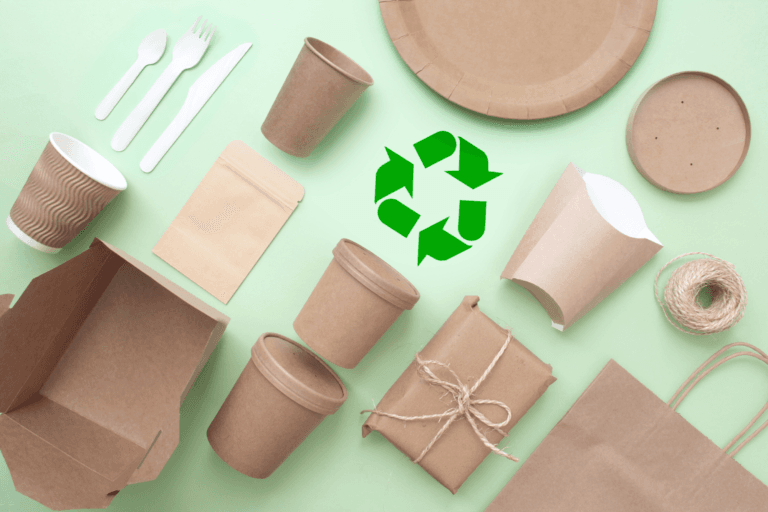
These are the categories with the shortest lead times and the lowest technical risk, which makes them the right place to show visible progress in July.
| Category | Typical Lead Time | Switching Risk |
|---|---|---|
| Paper straws | Around 2 weeks for stock SKUs | Low |
| Paper cutlery | Ready to order from most suppliers | Low |
| Food wraps (bakery, deli) | Paper or cardboard options widely stocked | Low to medium |
Where operations allow it, replacing disposable items with reusable alternatives reduces plastic waste, such as offering a reusable cup for takeaway coffees.
Because these swaps carry minimal technical risk, they are the fastest way to convert a marketing ask into a real, supplier-backed change within the month, and where reuse is not practical, switching some single-use items to paper can also reduce waste.
3. Negotiate Phase-Out Timelines With Existing Suppliers
- Do not demand an instant switch. Agree a realistic phase-in, for example by Q4 2026.
- Build the change into renewal negotiations, timed against contracts expiring in Q3.
- Lock in pricing now. Plastic packaging costs are on a rising trend regardless of your sustainability plans.
Supplier reality: Most established packaging suppliers are already fielding this conversation from other customers. Raising a phased switch is not an unusual request. It is an expected one.
4. Brief Your Sales Team on the New Story
- Give sales a clear, factual line: "We are supporting Plastic Free July with [X] supplier changes."
- Quantify the reduction wherever possible: "Switching to paper tubs and straws removes [Y] tonnes of plastic."
- Add the regulatory angle where relevant, for example reduced exposure under UK plastic restrictions or upcoming PPWR requirements.
Procurement’s audit and sourcing work becomes the brand’s proof point, turning small changes into quantified proof that makes a real difference to plastic reduction. That is a stronger position internally than most procurement teams give themselves credit for, and one that can show the difference.
What Procurement Cannot Do in July (And How to Say No)
Part of managing this well is being clear, early, about the limits. Setting realistic expectations protects your credibility with comms for the next campaign as well as this one.
Be upfront about these limits before comms sets external expectations. You cannot:
- redesign primary containers on a 6 to 12 month lead time inside a four-week campaign.
- source unproven "innovative" materials that have not been tested at scale.
- burn unplanned inventory of existing plastic stock without a financial impact review.
- commit to new suppliers without first testing alternatives against your own product line.
That caution matters because around 70% of plastic waste is not recyclable in the UK, only about 10% is actually recycled, and low recycling rates mean too much still goes to landfill rather than being easier to recycle later.
None of this means saying no to Plastic Free July. It means directing the campaign towards the changes that are genuinely deliverable, such as branded paper straws or retail-ready paper packaging, while flagging longer-term work for the second half of the year.
The Post-July Handoff: Locking In Permanent Changes
The value of Plastic Free July is not the month itself. It is what happens between August and December. Treat July as the springboard, not the finish line.
- Review July wins. Which alternatives performed well operationally and commercially?
- Formalise supplier agreements. Build plastic reduction targets for 2026 to 2027 directly into contracts.
- Update procurement policy. Set paper or compostable as the default for single-use items, rather than the exception, and buy in bulk where suitable to reduce packaging waste.
- Budget for tooling. Set aside roughly 5 to 10% of relevant spend for custom print migration where branding needs to carry over.
This is also the point to set simple workplace guidance that helps teams build new habits: refuse items like plastic bags and straws, carry a reusable shopping bag because it significantly cuts down plastic usage, and choose loose fruit and vegetables where possible. These steps reduce waste from produce packaging while supporting better purchasing decisions across sustainable food packaging and paper cups, where longer lead times mean July decisions pay off later in the year.
Frequently Asked Questions
What does Plastic Free July mean for a B2B business?
For a B2B business, Plastic Free July is a prompt to audit single-use plastic packaging across product lines and identify supplier-backed alternatives, rather than a consumer-only awareness campaign.
How long does it take to switch to paper straws or cutlery?
Stock SKUs of paper straws typically have a lead time of around two weeks, while paper cutlery is often ready to order immediately from established suppliers.
Can procurement realistically redesign packaging within Plastic Free July?
No. Primary container redesigns usually carry 6 to 12 month lead times, so July is better used for straws, cutlery and wrap swaps, with container changes planned separately.
Does Plastic Free July connect to UK or EU packaging regulation?
Yes. Activity often overlaps with the UK single-use plastic ban and the incoming EU Packaging and Packaging Waste Regulation (PPWR), so changes made now can also support upcoming compliance requirements.
What should procurement do after Plastic Free July ends?
Review which alternatives worked, formalise reduction targets into supplier contracts, and update internal procurement policy so paper or compostable becomes the default rather than a campaign exception.
Now You Know What's Required. Here's What We Offer.
Hello Straw manufactures the full range of products covered in this guide straws, aseptic straws for extended shelf-life apps, paper cutlery, and sustainable food service packaging. All products are certified for food contact, EN 13432 compostable, and HACCP-certified.